AMX Blog Series (2)

Recent posts

The AMX Brand Blog

Bypass DOT Blitz Blunders

Read More

The AMX Brand Blog

Greener Trucking is Trending

Read More

All Posts

When to Use Dry Van Trucking Services

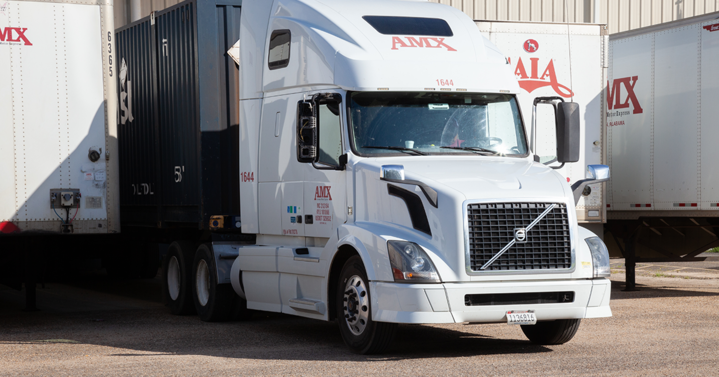
“What’s the forecast for today?” Many people ask this question to decide what to wear, but this is a vital question when choosing the right shipping solutions for those in the freight business. “Consider that last year alone saw Hurricane Ida, a typhoon near Chinese ports, the Texas freeze, British Columbia flooding, and freak December tornadoes across the US, and it’s clear that global trade is struggling to cope with much more than a health crisis. As temperatures creep higher, nature will likely be a more frequent, intense, and random economic disrupter,” reported Olivia Rockeman with Bloomberg. As evolving seasons continue to impact the supply chain, shipping companies need to understand when to leverage dry van trucking as their best transport method. 
Read More

What Is Temperature-Controlled Freight?

Of all the lessons learned in the past few years as the effects of the global pandemic still rage on, one of the clearest has been the poor state of the domestic and international supply chain networks. Expedited services remain a popular focal point for shippers and transportation service providers. Within local supply chains,  temperature-controlled freight transportation remains one of the most in-demand—and complicated—services. While demands for electronics, fuel, and other products fell sharply during lockdowns and pandemic recovery periods, the need for food and beverages, medical supplies, and other reefer cargo skyrocketed. 

Read More

What Is a Dry Van Truck, and How Is It Used in Shipping?

As leading supply chain news sources report doomsday predictions, shipping companies are left grasping for the next best action to take. The latest COVID variant, the wrecking ball of e-commerce on the capacity shortage, and mixed reviews of presidential motions have provided shippers with plenty to fear. Contrary to these articles, the U.S. Energy Information Administration’s weekly tracking of on-highway diesel prices shows slight decreases in most regions. Although reduced pressure may provide a hint of stabilization, it’s crucial that shippers collectively see all signs as indicators to make strategic moves to ensure their stability in the future. For many companies, the first step toward stability is the proper usage of dry van trucking companies in daily operations.

Read More

Why Transportation Management Needs Supply Chain Visibility & How Logistics Providers Provide It

Planning and managing efficient supply chain networks and transportation services requires careful attention to detail, especially when working on supply chain visibility. Maintaining high levels of ultimate logistics visibility and insight, backed by real-world data and statistics and founded on real-time customized data, is essential to keeping the industry moving forward in a post-pandemic world. 

Read More

Why Hybrid Brokers Handle Expedited Services Trucking Well

“Oh, and we need it tomorrow.” This final caveat can make even the most experienced freight salesperson or broker start to sweat. However, some won’t even bat an eye. Those with connections to the expedited trucking industry can make these requests in stride… at the correct cost. 2021 saw significant expedited services trucking companies see double-digit growth up to one company experiencing “an 85% jump in revenue from its truckload,” according to the Commercial Carrier Journal. The expedited trucking industry has exploded amongst companies choosing to expand their e-commerce offerings or explore other ways to endure the supply chain trucking slowdown.

Read More

The State of Freight in Alabama and the Southeastern U.S.

Alabama freight transportation has been the lifeblood of major industries throughout the South Eastern United States. Alabama Trucking, an affiliate of the American Trucking Association, documented what this impact across the south looks like by highlighting the data around freight companies in Alabama. Specifically, in 2019, Alabama trucking businesses represented nearly 110,000 jobs, with trucker wagesover $5.4 billion overall. 

Read More

5 Qualities to Look For in Your Next Logistics Freight Broker

Shippers, transporters, and supply chain management often need a helping hand from industry experts that offer outside perspectives and additional resources and assets. Often referred to as logistics freight brokers, these experts can make the difference between breaking even, ending up in the hole, and making a profit for those with truck driving as a career. Brokerages are big business and are a driving force in today’s modern supply chain  — both domestically and globally. According to Verified Market Research, the “US Freight Brokerage Market size was valued at USD 1.164 Billion in 2020 and is projected to reach USD 13.78 Billion by 2028, growing at a CAGR of 36.2% from 2021 to 2028.” Understanding how freight brokerage works and what benefits shipping managers and transportation professionals can enjoy, it is easier to see why freight brokers are in such high demand, especially during peak driving seasons

Read More

What You Need to Know About Hourly Driver Pay

Truck drivers keep the country going and ensure the supply chain, the nation’s lifeblood, keeps flowing through dedicated loads, capacity management, and freight logistics. The truck driver hourly pay concept is a significant break from traditional shipping services and operations, as hourly payment setups are very common. According to Business Insider,Only about one-fifth of drivers at U.S. ports operate as hourly employees, while most are independent contractors paid per load or mile — meaning they often receive the same pay regardless of how long they wait for outside ports or warehouses.” This highlights the need for a rethinking of how drivers are paid and how these vital service providers are compensated for their time and services.

Read More

Share our blog listing page: