
Have you caught yourself wondering about one of the latest buzz words in the industry,
“reshoring”? Maybe you’ve heard that we need to “bring business back to America” or something along those lines. Bringing business back means companies are transporting products and manufacturing back to America, which is why it can greatly impact the ports and drayage market.
We are already seeing this take place today across different industries, manufacturing being the biggest and most vital to the transportation industry. Reshoring isn’t a new concept, but it is something that can greatly impact the economy and supply chain.
Top Industries Reshoring
-
Manufacturing: Manufacturing overseas has been an increase in labor costs and supply chain disruptions. While we cannot avoid all supply chain disruptions, bringing manufacturing home can help cut costs and increase visibility. This has sparked the movement of production facilities back to the United States.
-
Technology: The technology industry is bringing back software development, data analytics, and other high-tech functions that were previously outsourced overseas. Supply chain isn't a factor here. The drive is more so intellectual property protection, as well as more oversight and control over development.
-
Energy: The energy industry, which covers oil and gas production, has also seen reshoring in recent years. The future of energy production reshoring is controversial and government policies greatly affect the future of energy reshoring.
-
Food and agriculture: There are indications that supply chain efficiency can increase while disruptions decrease with reshoring in the food and agriculture industry. This trend is driven by demand to source more food and agricultural products domestically, as well as food safety and quality concerns.
- Textiles and apparel: Reshoring is taking place in this industry to improve quality and wait time. Many believe that better control over the manufacturing process and the ability to respond more quickly to changes in consumer demand can be achieved with reshoring.
Many times, certain industries are targeted to help move the needle on reshoring. It is common for countries pushing reshoring to influence and encourage reshoring through government policies and tax incentives. If a significant portion of your business operations take place in this industry, you might see greater impact.
Government Influence
Influencing reshoring through government policies, tax incentives, or relief programs can improve economies. Reshoring creates jobs by bringing business back home and affects consumer spending.
So, what are the different ways government influences reshoring?
Tax incentives: The United States government implemented the Tax Cuts and Jobs Act of 2017 included a provision that allowed companies to immediately expense the full cost of certain capital investments made in the United States, which could provide a significant tax benefit to companies that invest in domestic production facilities.
Infrastructure investment: The U.S. government also invested in infrastructure projects that support reshoring. The ongoing infrastructure projects help improve transportation networks, ports, and airports. This helps with supply chain efficiency, reducing transportation costs for companies with domestic production facilities.
Trade policy: Another major influence is trade policy, which is highly controversial and a major political topic today. The government can renegotiate trade agreements to promote domestic manufacturing. Trade laws can also be put in place that limit unfair competition from foreign business.
Reshoring Impacts on Supply Chain
As production facilities move back to America, there will be an increase for short-haul transport to warehouses and distribution centers. This leads to increased opportunity for carriers providing drayage services.
Competition: Increased demand for drayage services creates competition. This puts providers in the spotlight and could lead to improvement across the supply chain. Transportation providers will need to be able to adapt quickly and provide shippers with diverse options.
Alternative Freight Routing: New production facilities mean shorter distances from manufacturing to final delivery. There will likely be new or alternative lanes created by shippers and manufacturers. Previous lanes may no longer make sense and alternative freight routing will be required. Transportation providers could adapt by shifting the location of their terminals and equipment.
Supply Chain Planning: Alternative routes and a shift to short-haul transport could lead to an increase in dedicated lanes available and greater accuracy for freight forecasting.
Labor Demand: In addition, more jobs will be available which means the workforce could be spread thin and labor could grow scarce, leading to increased labor costs. The possible increase in labor cost for skilled drivers does not help the driver shortage. The good news is that the increase in dedicated lanes available could simultaneously make the job of a truck driver more appealing by allowing for more consistency and predictive home time.
Increased Drayage & Intermodal Demand: Impact on Imports/exports
Together, reshoring leads to an increase in volume at the ports. It could also mean a shift in the type of imports, like raw materials v. finished goods.
New infrastructure requires building materials and labor. Companies will need to import materials for constructing facilities and other types of infrastructure needed to support domestic production, increasing the import of building materials.
The sentiment of the United States regarding food quality and safety as mentioned previously means there is a greater demand for local sourcing, which means we could see fewer imports in the food and agriculture industry in particular.
At the same time, companies may be limited at which point they can start assembly domestically if: 1) they require specialized components or 2) outsourcing production continues to be more cost effective even among accelerated reshoring initiatives. From this, we could see an increase in the import of partially finished goods.
Exports of domestically produced goods could increase. There is a certain perception of American made products shared by Americans worth noting that could expand to foreign consumers.
The 'Made in America' Difference

American consumers are willing to pay 20-25% more for American made products (according to the Reshoring Institute Survey, 2020). Not only are we willing to pay more, but it is perceived that the quality of the product is better when made domestically (47% according to the survey). The desire for the "Made in America" label on products is likely not something solely held by Americans.
Alternative to Reshoring
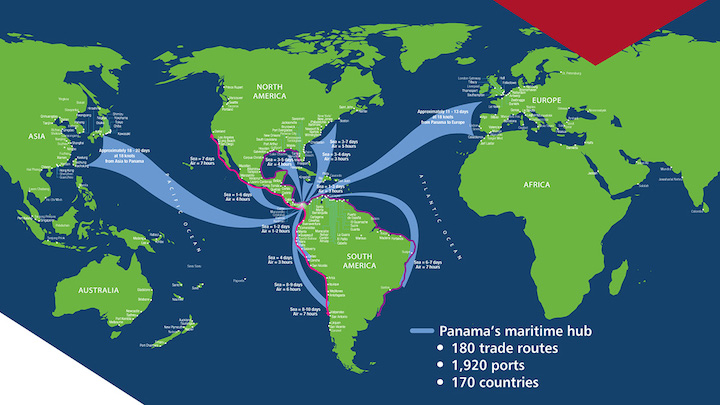
Although it would not be labeled "Made in America," nearshoring could help with supply chain efficiency by proximity. Companies in the United States are also executing nearshoring as they seek to find more cost-effective production options in countries such as Mexico and Canada. According to the ATA (American Trucking Association):
"In 2021, the value of truck-transported trade increased 19.5% to $460.85 billion with Mexico; truck-transported trade with Canada increased 18.8% to $367.04 billion."
Nearshoring is certainly a concept worth mentioning alongside reshoring.
Reshoring for the Economy: Supply Chain Resiliency
With all the talk about supply chain disruption in the industry today, we should focus on supply chain resiliency. Reshoring is an initiative countries can execute to boost their economy and support supply chain resiliency.

talk to us about to learn how we are expanding to service the growing drayage & intermodal market.

Resources
Supply Chain Brain - Nearshoring is Here
Reshoring Initiative Survey
.png)