The difference between east coast and west coast ports
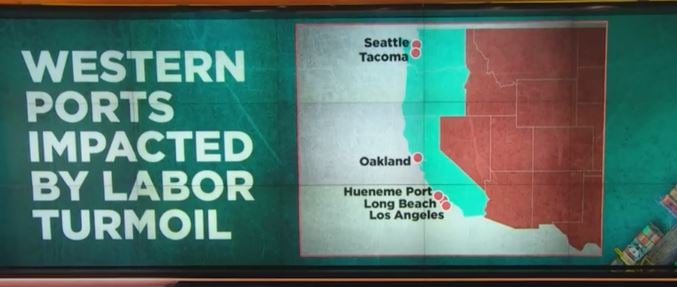
Recent disruptions across Total Terminals International (TTI) ports on the West Coast shut down 6 major ports: Seattle, Tacoma, Oakland, Hueneme, Long Beach, and Los Angeles. Detrimental reactions to labor contract negotiations breed unpredictability and concerns for the west coast ports. Still, there is some relief as a tentative agreement was reached this past Wednesday.
“We are pleased to have reached an agreement that recognizes the heroic efforts and personal sacrifices of the ILWU workforce in keeping our ports operating,” said PMA President James McKenna and ILWU President Willie Adams in a joint statement. “We are also pleased to turn our full attention back to the operation of the West Coast Ports.”
-- Statement from the Pacific Maritime Association
June 14th, 2023
Don't wait for the next shutdown to familiarize yourself with the distinctions between U.S. seaports, their key players, and the improvements being made...or at least attempted.
Growing Concerns Along The West Coast
Before we jump in, let's catch everyone up on the recent labor contract negotiations causing trouble at the TTI ports. These ports have seen significantly more disruption caused by labor issues and heavy congestion even pre- pandemic. The recent labor strikes stem from negotiations between The International Longshore and Warehouse Union (ILWU) and the Pacific Maritime Association (PMA).
The recent closures are just another example of the unexpected factors companies must consider when dealing with the import/export portion of their transportation budget and/or procurement. According to the press release from the Pacific Maritime Association (PMA), fear of a permanent shift from Pacific ports to the ports of the Gulf Coast and Atlantic is growing:
These actions undermine confidence in West Coast ports, and threaten to further accelerate the diversion of discretionary cargo to Atlantic and Gulf Coast ports. The health of the Southern California and state economy depend on the ability of the Ports of Los Angeles and Long Beach to stem this market share erosion.
-- Statement from the Pacific Maritime Association
April 7, 2023
Between the pandemic, labor issues, driver shortage, governance of international trade, and spark in reshoring, we can all agree that port operations across America need improvement.
Let's review some of the key differences between seaports of the U.S. coasts, specifically trade routes, cargo handling, infrastructure, labor relations, and congestion.
Key Differences
| West Coast | East Coast |
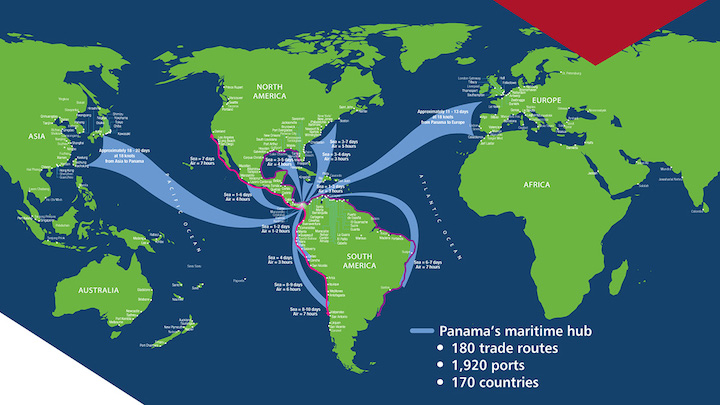
| Closer ties to Asian trade routes, handling transpacific trade. | More connected to European trade routes and facilitate transatlantic trade as well as trade with Latin America and the Caribbean |
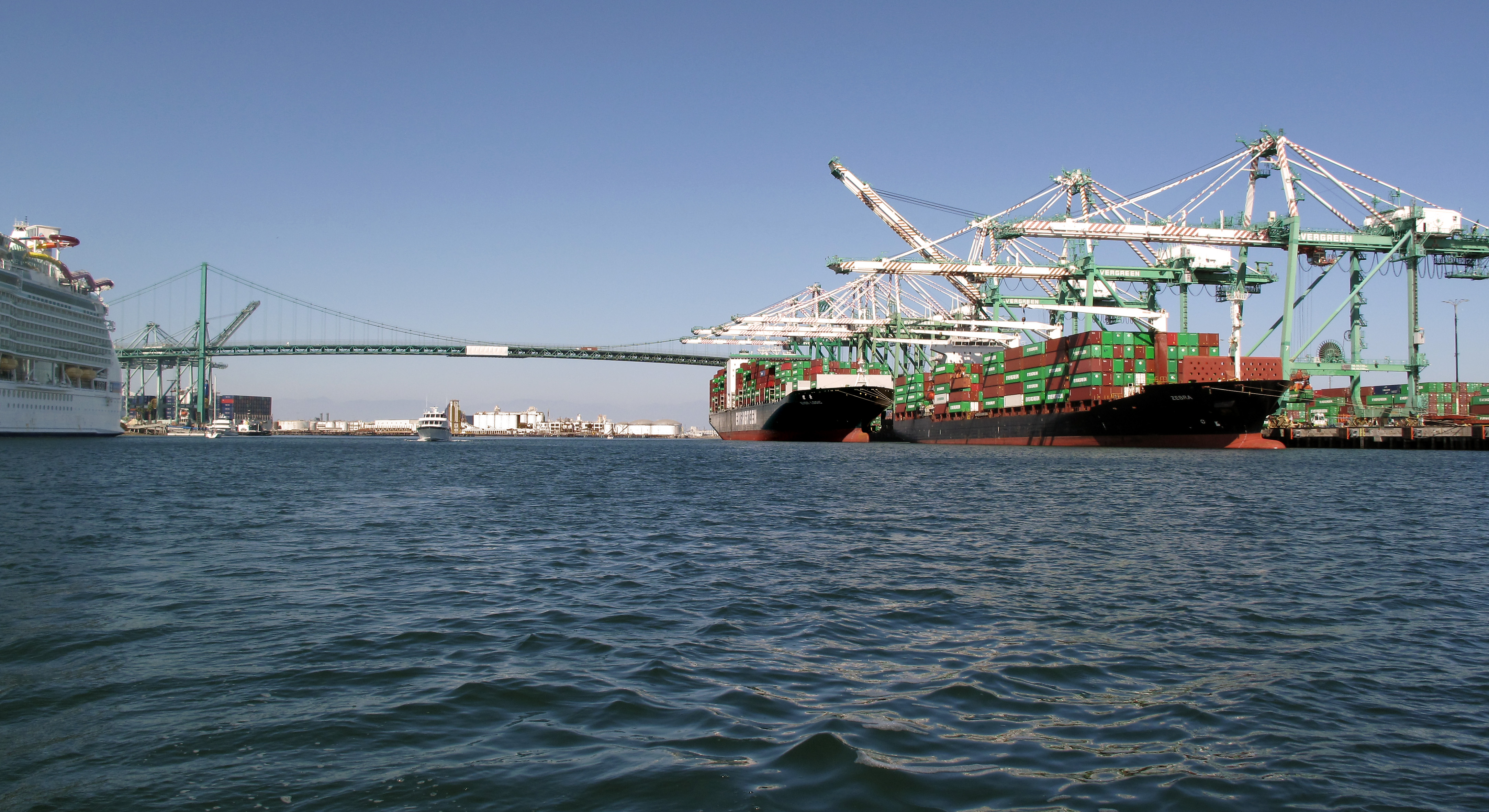
| Accommodates larger container ships via larger terminals and deep-water channels. | May face physical limitations due to shallow water depths or narrower channels. |
| Strong emphasis on rail connectivity for efficient inland distribution. | They have a well-developed network of highways, railroads, and truck routes to efficiently distribute goods throughout the densely populated northeastern region. |
| Labor relations tend to be more contentious. | Less congestion. |
Thomas "Conner" Beytagh, Director of Drayage for AMX Logistics and native of Savannah, understands the importance of monitoring these distinctions in order to relay this information to customers and business partners. Many of the reasons he believes AMX should focus its drayage and intermodal efforts on the Port of Savannah align with the key differences listed above along with the adaptability displayed by the East Coast ports.
He believes "the port serves as a catalyst for economic growth and job creation in the surrounding area." If you are skeptical, keep reading to find out how the Port of Savannah, a key player of the East Coast ports, has adapted to supply chain disruptions and improved operations.
3 Ways the Port of Savannah is Adapting to Mitigate Supply Chain Disruption
Through infrastructure expansion, waterway expansion, and collaborative efforts, the Port of Savannah is adapting and evolving to mitigate supply chain disruptions, enhance efficiency, and maintain its position as a critical gateway for international trade.
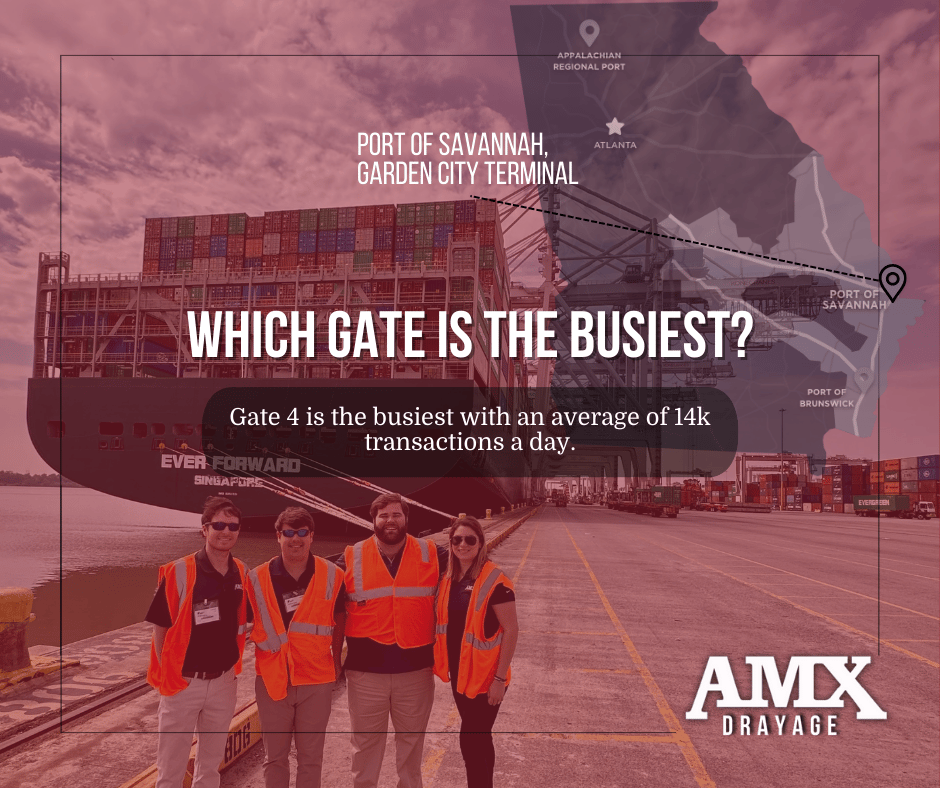
The Georgia Ports Authority takes a proactive role in the supply chain by adapting their port operations to prevent congestion through various business initiatives and new infrastructure. The Savannah branch of AMX recently visited the port to see the improvements being made firsthand.
1) New Infrastructure
West Coasts ports have historically had stronger rail connections while east coast ports have more extensive access to highways and interconnected rail and truck routes. The Georgia Ports Authority (GPA) is adding new infrastructure in the form of the Mason Mega Rail. This infrastructure adds direct rail connection to the port.
According to the GPA:
The first nine working tracks of Savannah’s Mason Mega Rail project are now operational. The second set of nine tracks will be commissioned in 2021. Upon completion, the 85-acre Mason Mega Rail Terminal will build and receive six 10,000-foot trains simultaneously.
There is also a new Ocean Terminal and Transload Facility. The new Ocean Terminal boasts 5 berths, 200 acres, and rail access while the new Transload Facility adds another 90 acres of land for cross-docking.
2) Waterway Expansion
The Port of Savannah is expanding waterways by deepening its harbor. This expansion, known as Savannah Harbor Expansion Project (SHEP), is a partnership between the GPA and the United States Army Corps of Engineers. It involves dredging the channel to increase its depth, allowing bigger ships to access the port.
There is also a realignment in the works which straightens the bend at berth 1 of the Garden City Terminal. Straightening the bend here allows for another large vessel berth.
This expansion enhances the port's capacity, improves efficiency, and enables the handling of larger container ships. This helps attract vessels that were previously unable to navigate through the shallower channels.
3) Collaborative efforts
The Port of Savannah recognizes the importance of collaboration with various stakeholders to address supply chain disruptions. It actively engages with shipping lines, trucking companies, rail operators, and other industry partners to streamline processes, share data, and enhance coordination. By fostering strong partnerships and collaborative initiatives, the port can proactively address potential bottlenecks, improve synchronization along the supply chain, and collectively respond to disruptions more effectively.
Here are some of the groups fostering collaboration along the East Coast ports:
- The Mid-Atlantic Regional Ports Initiative (MARPI) focuses on shared strategies for economic enhancement.
- The Southeast US Intra-Regional Coastal Port Collaboration (SCPC) addresses infrastructure and transportation challenges.
- The Coalition for More Efficient Ports promotes operational efficiency and congestion reduction.
efforts in the west
It's important to note that both West Coast and East Coast ports have added infrastructure to improve the supply chain and overall economy yet the scale and success varies greatly. Groups exist across both with a focus on improving overall operations and promoting cooperation across key players.
West coast groups focused on improvement
The main groups focused on efficiency, operations, and cooperation include:
- Pacific Maritime Association (PMA ): This group represents employers at West Coast ports, working with various stakeholders to improve operational efficiency. The PMA engages in negotiations with labor unions as seen during the recent negotiations, implements technology solutions, and promotes best practices to maximize the efficiency of port operations.
- West Coast Harbor Trucking Association (WCHTA): This coalition of trucking companies and industry stakeholders aims to improve the efficiency of drayage operations. They focus on streamlining processes, reducing wait times, and optimizing trucking operations to enhance overall efficiency and productivity.
west coast aiming for improvement
There have been attempts in the past to improve port efficiency by shifting to 24/7 operations, which would reduce dwell time and increase productivity. The motion did not go unsupported. Key players found ways to support this shift through financial incentives and collaboration.
Here are some examples:
- Large companies committed to increase container movement outside of peak hours.
- Port Envoy Porcari hosted meetings with terminal operation staff, carriers, and other key players.
- The major railroads handling imports/exports from the ports provided discounted rates for customers moving shipments outside of peak hours.
the power of comparison
The ports play a huge role in the global economy as they are the gateway for international trade. There are both positive and disruptive events happening in the drayage and intermodal market surrounding the ports. It's up to you to put yourself in a position where you have the most visibility, and you're off to a good start since you've made it through our comparison. Comparing operations and processes is just as important as comparing results.
If you haven't responded to our recent poll about the ports on Linkedin yet, you can click here to vote.
.png?width=2240&height=1260&name=AMX%20Blog%20Series%20(1).png)
reduce the headache of supply chain with our quiz in 5-minutes or less.
Our expertise at your fingertips. We took our 35 years of experience and put it into a quick and easy quiz to help point you in the right direction. It's basically a free consultation without having to deal with a consultant. Ready to impress your boss?
.png?width=277&height=277&name=35th%20Anniversary%20Logo%20(1).png)